Why Does My Hair Still Feel Dry After Using Oil?

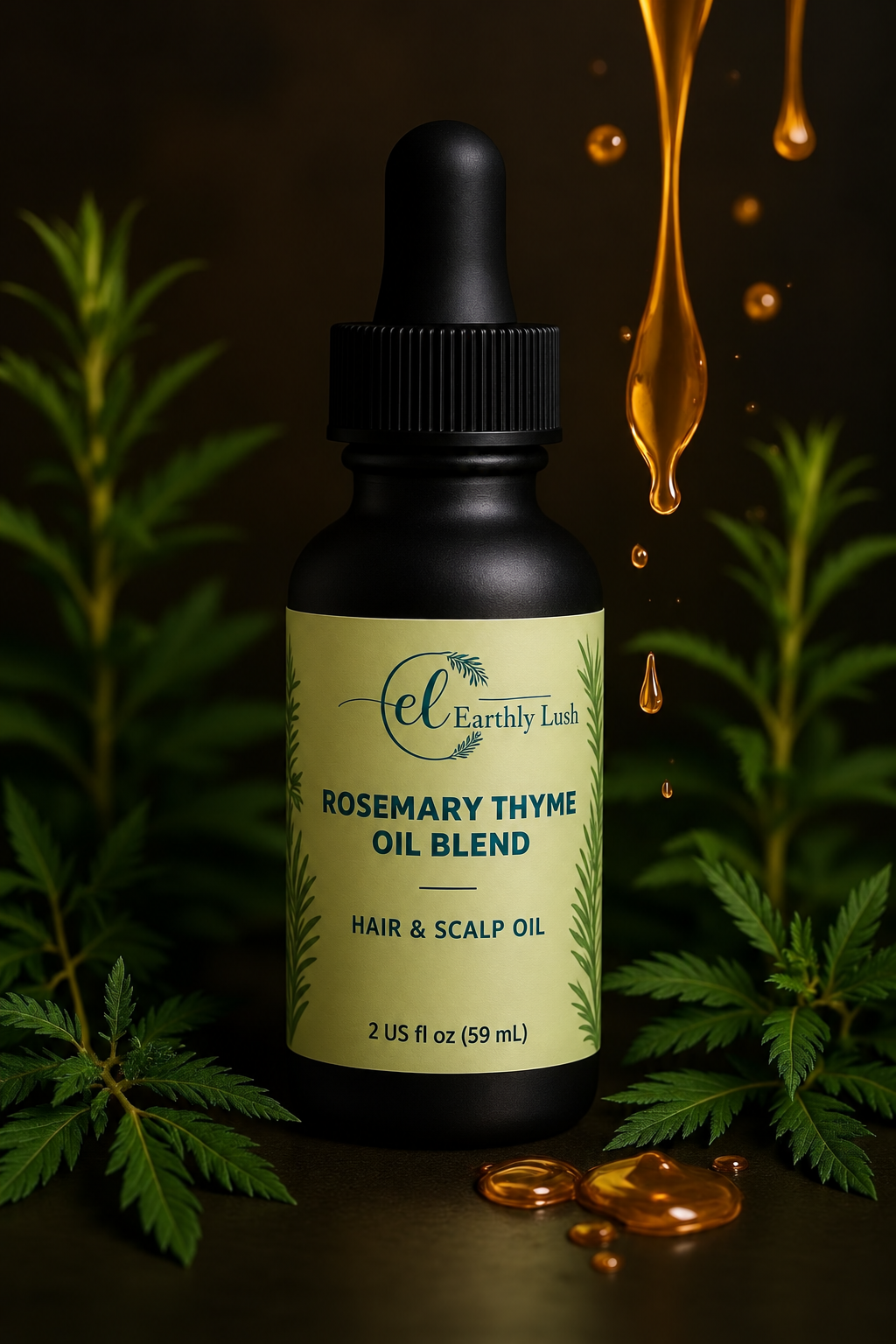
Hair can still feel dry after oiling because shine, surface lubrication and conditioning are different parts of the experience. If your strands already feel coated, adding more oil may leave the same roughness under another layer. Check your cleansing and conditioning routine, accumulated products and the condition of your ends. Rosemary Thyme Oil Blend can provide a finishing step; the result also depends on the care around it.
It can be disappointing to use an oil, see more shine and still feel roughness when you touch your hair. You bought it to make care easier, so it is reasonable to expect more than a glossy surface that does not match the way your ends feel.
That experience is worth listening to. It does not automatically mean you need more oil, and it does not mean oils have no place in your routine. It means the word “dry” may be describing several different things: roughness, tangling, a coated feel, brittle ends or a scalp concern.
Once you separate those experiences, it becomes easier to decide what to change. Rosemary Thyme Oil Blend can be a finishing step in hair care; it works best in a routine where cleansing, conditioning and gentle handling have their own place too.
Start with what “dry” feels like to you
Try describing the concern without using the word dry. Do your fingers catch near the ends? Does the hair feel stiff after styling? Is there a dull residue? Is the discomfort on the scalp rather than the strands?
Each description points you towards a different question. Ends that catch may need gentler detangling or a trim assessment. Stiffness may come from a styling product’s hold. A coated feeling may be related to accumulated layers. Itching or persistent flaking deserves attention as a scalp issue.
You do not have to diagnose your hair at home. You are simply gathering a clearer description so you can avoid treating every concern with the same additional layer of product.
Understand the difference between oil and conditioning
An oil can lubricate the hair surface and improve how strands slide against one another. That can make hair feel smoother and easier to handle. The effect is one reason oils are valued in hair routines across many textures.
Conditioners are formulated to improve manageability and reduce the friction associated with washing and combing. Depending on the product, they can also help smooth the surface and reduce static. A bottle of oil and a conditioner therefore should not be assumed to perform identical jobs.
If your wash-day routine has become shampoo followed immediately by oil, consider whether you have left out a conditioning step your hair benefits from. Follow your conditioner’s directions, distribute it through the relevant lengths and assess the hair before deciding how much finishing oil is needed.
Check whether product has accumulated
When the hair feels unsatisfying, adding something is an easy response. A cream follows the oil, then another layer of oil follows the cream. Over several days, it becomes difficult to know whether you are feeling your hair or the combination sitting on it.
Accumulated product can make the hair feel heavy or unevenly coated. It can also make a new application harder to assess. If the same amount of oil feels pleasant after washing but uncomfortable near the end of the week, the condition of the starting surface may be part of the explanation.
Use a cleansing routine suited to your hair, scalp and styling products. There is no universal timetable that everyone needs to follow. The useful question is whether your current cleansing step is removing what needs to come away without leaving your scalp uncomfortable.
Notice what your ends have been through
The oldest part of your hair has experienced the most handling. Repeated heat, chemical services, friction from clothing and rough detangling can influence how it feels. A surface product may improve the finish, but it cannot turn a physically split strand back into an untouched one.
If only the last part of the hair remains rough after a careful wash and conditioning routine, ask a qualified stylist to assess the ends. You may need a trim, a change in styling habits or more careful handling in that area.
This is not a reason to give up on caring for your lengths. It is a reason to aim for a result a finishing product can reasonably contribute: less rough feeling during handling, a smoother appearance and an amount that leaves the hair comfortable.
Make the next application easier to learn from
For a finishing application with Rosemary Thyme Oil Blend, start with the care-card method: spread two to three drops between your palms, then smooth over damp or dry mid-lengths and ends. Use less if your hair is easily weighed down.
Before adding more, notice whether the hair already feels lubricated. If it does, another layer may only increase the coating. Focus instead on which part of the routine could explain the remaining roughness.
Change one thing at the next wash or styling session. You might improve conditioner distribution, detangle in smaller sections or reduce repeated handling of the ends. A small, specific change gives you a clearer answer than replacing the whole routine.
Let comfort guide the decision
Your hair does not have to look like someone else’s to show that a routine suits you. Comfortable handling, less unnecessary pulling and a finish you enjoy are useful observations. So is noticing that a product is not giving you the result you wanted.
If the concern includes persistent scalp pain, sores, significant itching or unusual hair loss, seek professional advice instead of covering it with more product. For everyday roughness, begin with the routine as a whole. Oil can contribute something valuable without carrying every part of hair care on its own.


Comments